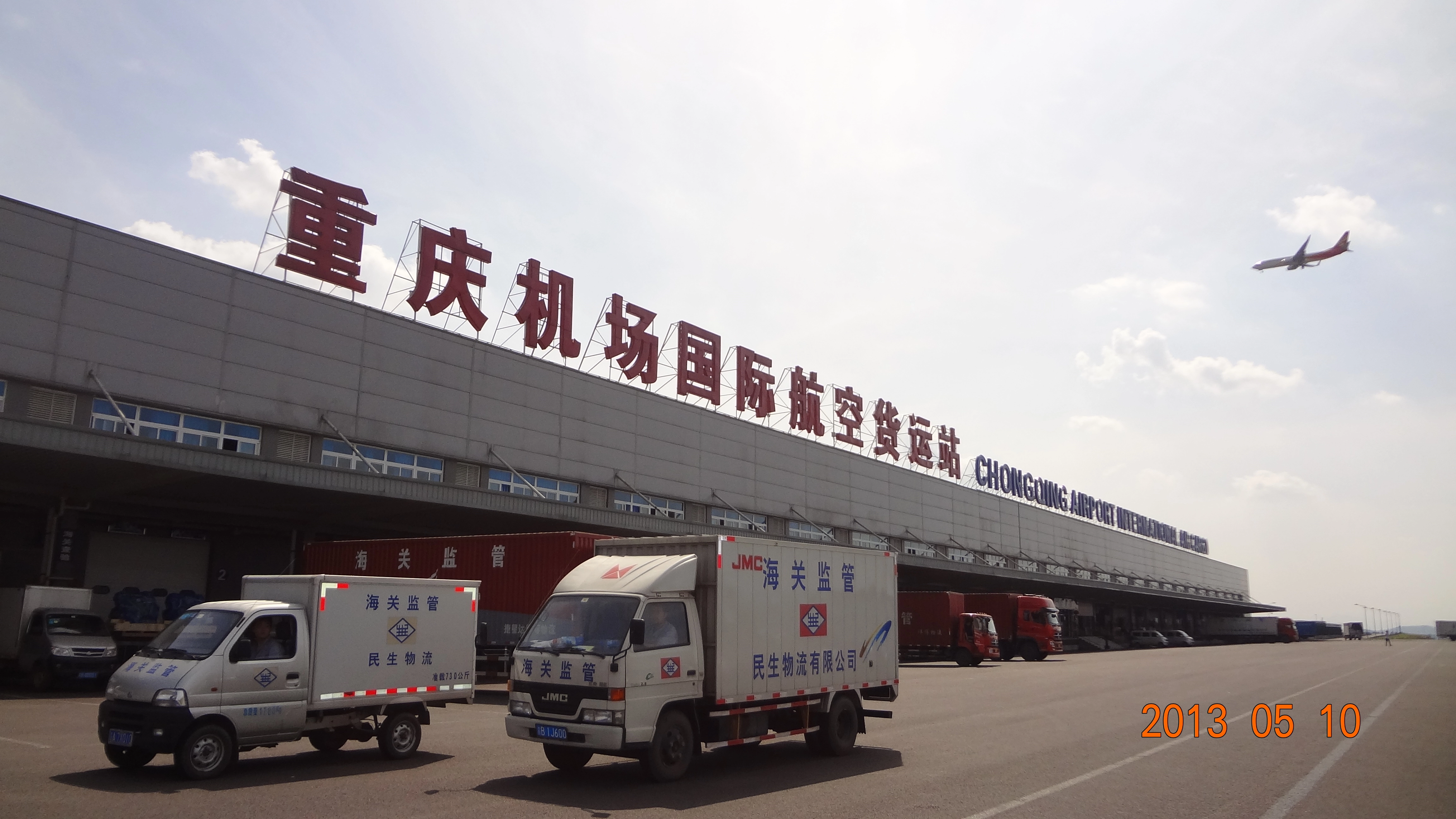
A Block Space Agreement (BSA) is a cornerstone strategy for high-frequency shippers securing guaranteed air cargo capacity. For enterprises shipping electronicsand semiconductors weekly or even daily, BSA isn't just a procurement tool — it's a supply chain risk management mechanism.
What is a BSA and Why Does It Matter?
A BSA (Block Space Agreement) is a long-term capacity contract between a freight forwarder and an airline, guaranteeing a fixed weekly tonnage on specified routes and flight numbers. Unlike spot-market bookings that depend on real-time availability, BSA holders enjoy confirmed capacity priority, fixed rate windows, and guaranteed loading rights — even when demand surges during peak seasons or due to sudden market disruptions.
Mingsung International Logistics has secured BSA contracts with multiple major carriers on key Asia routes including Taiwan–Tokyo, Taiwan–Seoul, Taiwan–Singapore, and Taiwan–Bangkok, with combined weekly capacity exceeding 50 tonnes. This is the cornerstone of our ability to deliver guaranteed 48H transit commitments to clients.
Which Industries Benefit Most from BSA?
- Semiconductor equipment manufacturers: Wafers and precision process components are extremely time-sensitive — any delivery delay directly halts production lines. BSA ensures priority boarding under all market conditions.
- Consumer electronics OEMs: Launch cycles and seasonal promotions require predictable weekly airlifts. BSA locks in capacity and stabilizes freight cost budgets for the entire planning period.
- Medical device suppliers: Hospitals and clinics operating on just-in-time inventory cannot afford stockouts. BSA provides the reliability that life-critical supply chains demand.
- High-end fashion and luxury goods: New season drops must arrive in-market before competitors. BSA guarantees space for new collection shipments regardless of peak-season congestion.
Mingsung BSA vs. Spot Market: A Practical Comparison
Many shippers default to spot market bookings, assuming flexibility is an advantage. In practice, during Q4 peak season or following geopolitical disruptions, spot availability evaporates within hours. Our BSA clients maintained uninterrupted weekly departures during the 2024 holiday shipping crunch — while spot market shippers faced 2–3 week delays. For enterprises with regular weekly air cargo needs of 500 kg or more, we strongly recommend discussing a customized BSA framework with our air freight team.
In 2026, global supply chains face a triple disruption: geopolitical fragmentation, EU Carbon Border Adjustment Mechanism (CBAM) tariffs, and AI-driven demand volatility. The traditional "ocean freight as default, air freight as emergency" model is giving way to a hybrid strategy — and air freight is moving to the strategic core.
Three Structural Forces Reshaping Air Freight Demand
- Geopolitical supply chain decoupling: US-China tension and US-EU trade friction are forcing manufacturers to diversify production across Southeast Asia, India, and Mexico. Shorter production runs and multi-origin sourcing dramatically increase the frequency of time-sensitive air shipments.
- CBAM and green logistics pressure: The EU's Carbon Border Adjustment Mechanism has fundamentally altered the cost calculus for ocean freight. Enterprises that previously chose slow sea shipment purely on cost grounds must now factor in carbon compliance costs, making the total cost of air freight increasingly competitive for high-value goods.
- AI-driven demand volatility: AI-powered demand forecasting has compressed inventory cycles — the era of 90-day stock buffers is over. When AI signals a demand spike, shippers need to respond in days, not weeks, making air freight the only viable resupply channel.
The New Air Freight Playbook for Taiwan Exporters
Taiwan's technology sector — semiconductors, server equipment, precision machinery — sits at the center of global supply chain restructuring. Major OEMs now demand shorter replenishment cycles from Taiwan suppliers. Mingsung has developed a "Sea-Air Hybrid" program specifically for Taiwan exporters: ocean freight for planned bulk inventory, air freight for urgent replenishment and new product launches. This program has reduced average inventory days by 18% for enrolled clients while maintaining delivery reliability above 99.2%.
What Should Your Business Do Now?
We recommend a three-step supply chain audit: (1) Identify your top 20% of SKUs by value-to-weight ratio — these are your air freight candidates; (2) Map your current "emergency air freight" frequency — if you're using spot air freight more than twice per quarter, a BSA may pay for itself; (3) Model the cost of a stockout against the air freight premium — for most electronics and medical companies, the math strongly favors proactive air freight investment.
A Taiwanese semiconductor manufacturer needed to export specialty process gases — classified as Dangerous Goods (DG) — to a fab in Japan at a storage temperature of -20°C. The total transit window: 36 hours. This is the story of how Mingsung delivered.
The Mission Parameters
- Cargo: Specialty semiconductor process gases (IATA DG Class 2.2 / 2.3, requiring dry ice or active refrigeration)
- Temperature requirement: Continuous -20°C cold chain from origin warehouse to destination cleanroom
- Transit time constraint: 36 hours total — including documentation approval, loading, flight, and Japanese customs clearance
- Compliance requirement: Full IATA DGR documentation, Japanese Ministry of Economy, Trade and Industry (METI) import pre-clearance
Hour-by-Hour Execution Timeline
Hour 0–3
Emergency inquiry received. DG classification confirmed. Dedicated air freight specialist and customs team activated.
Hour 3–8
DG packaging inspection and IATA-compliant labeling completed. Shippers Declaration for Dangerous Goods prepared and validated.
Hour 8–12
BSA priority flight space secured on TPE–NRT route. Japanese customs pre-clearance application submitted electronically. Dry ice quantity calculated for 36H cold chain integrity.
Hour 12–18
Cargo delivered to Taoyuan cargo terminal under temperature monitoring. Airline DG acceptance inspection passed. Flight departed on schedule.
Hour 18–36
Flight arrival at NRT. Japanese customs fast-track clearance (pre-filed). Temperature log verified continuous -20°C compliance. Delivered to fab receiving dock.
✅ Mission Outcome
Delivery completed within 34.5 hours — 1.5 hours ahead of the critical window. Temperature log confirmed unbroken -20°C cold chain throughout. Fab production was not interrupted. Client credited Mingsung's DG expertise and BSA priority access as the two decisive factors in mission success.
Key Takeaway for Semiconductor and Pharma Shippers
Dangerous goods air freight requires a forwarder with dedicated DG-certified staff, airline DG acceptance relationships, and cold chain packaging expertise. Attempting DG shipments through general freight channels adds hours of risk at every handoff. Mingsung's dedicated DG air freight team handles Class 1 through Class 9 dangerous goods on a daily basis — contact us for a DG capability assessment tailored to your cargo profile.