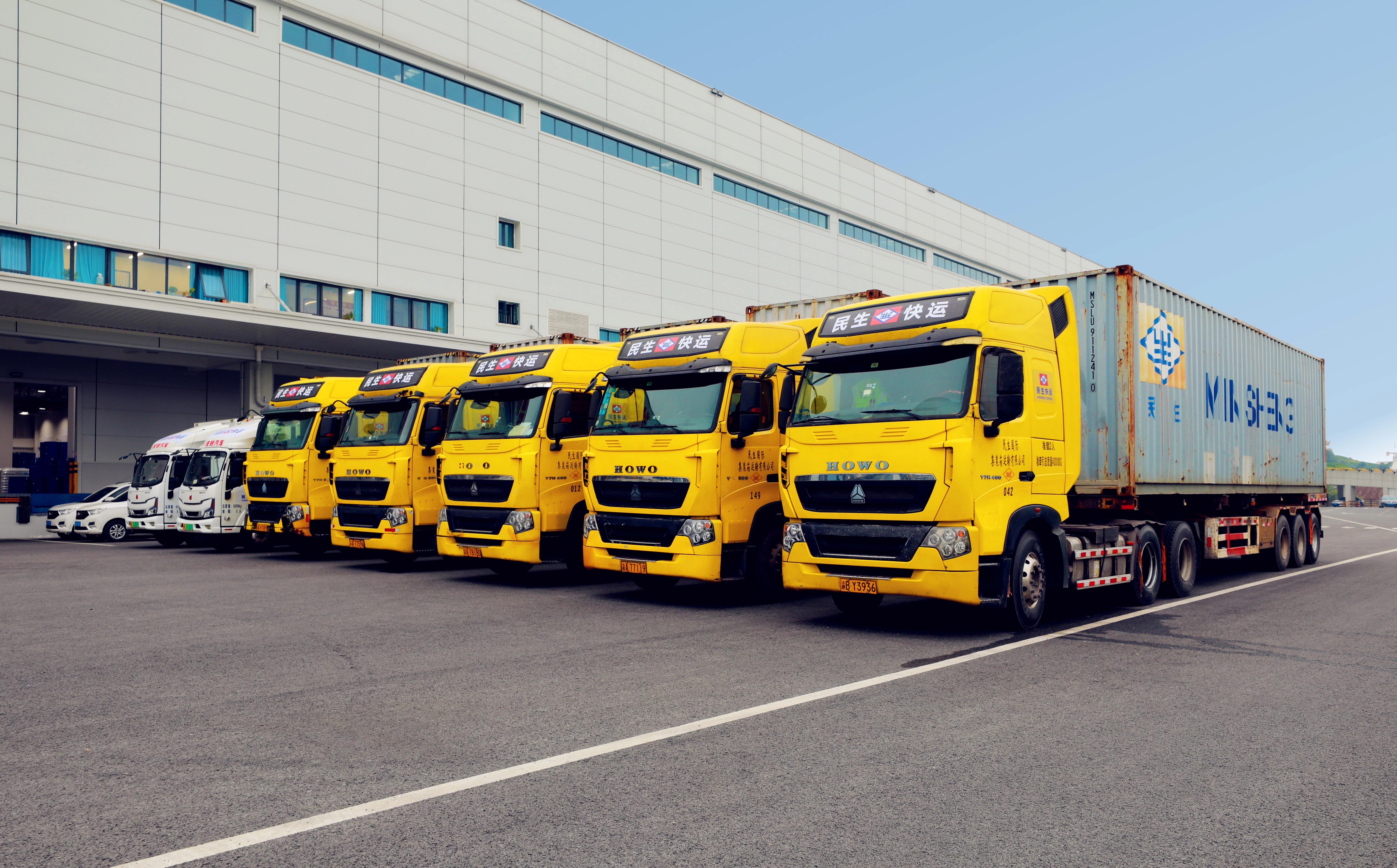
Vietnam has become Taiwan's most important manufacturing partner for supply chain diversification — but getting goods reliably between the two countries requires a logistics model that accounts for sea routing, China overland options, and Vietnam's evolving customs environment.
The Two Main Taiwan-Vietnam Routing Options
- Sea-road intermodal (recommended for most cargo): Taiwan port → CT1/CT2 vessel to Hong Kong → overland truck Hong Kong/Shenzhen to Vietnam border → Vietnam delivery. Transit: 5–7 days. Best for: cargo under 15 CBM, urgent shipments, or regular flow of components to Vietnam factories.
- Full ocean (for larger volumes): Taiwan direct vessel to Ho Chi Minh City or Haiphong. Transit: 4–6 days. Best for: FCL volumes of 15+ CBM, non-urgent goods.
Vietnam Customs in 2026: What Has Changed
Vietnam's customs authority (VNACCS/VCIS system) has significantly accelerated import processing for pre-certified importers. Mingsung works with pre-certified Vietnamese customs brokers who can achieve Green Lane clearance for most cargo — meaning automated release without physical inspection, reducing Vietnam customs time from 2–3 days to as little as 4–8 hours for qualifying shipments.
Industrial Zone Delivery: Ho Chi Minh vs. Hanoi vs. Da Nang
Vietnam's three major manufacturing corridors require different logistics approaches: Ho Chi Minh City and the Binh Duong/Dong Nai industrial zones are served via the southern border crossing at Moc Bai or Xa Mat — best approached via truck from Shenzhen or direct vessel to Cat Lai port. Hanoi and the Haiphong industrial zones (Bac Ninh, Bac Giang) are most efficiently reached via the northern border crossings at Lao Cai or Huu Nghi — our northern team specializes in these routes, delivering directly to Samsung, Intel, and LG Vietnam supplier parks.
Customs clearance is the single largest variable in Southeast Asia cross-border transit times. With the right pre-filing protocols and border relationships, what takes competitors 3 days can take Mingsung 4 hours. This article explains our approach.
Pre-Filing: The Most Important Cost-Saving Step
Most customs delays occur because import documentation is submitted after the truck arrives at the border — requiring the customs agent to process the declaration while the truck waits. Mingsung's protocol requires all import customs documents to be submitted electronically 24 hours before the truck is scheduled to arrive. This "pre-filing" approach means that for most shipments, customs clearance is already approved by the time the truck physically crosses — resulting in border transit times under 2 hours rather than the industry average of 8–24 hours.
Controlled Documents and Restricted Categories
- Vietnam: Electronics (HS Chapter 84–85) require import licensing for some categories. Textiles and footwear require Certificate of Origin for ASEAN-Taiwan FTA preferential tariffs. Food products require phytosanitary inspection.
- Thailand: Controlled products include food, cosmetics, medical devices, and agricultural chemicals — each requiring pre-approval from the relevant Thai ministry before importation.
- China (import from Taiwan): Standard import tariffs apply; ECFA preferential tariffs available for qualifying goods. Some Taiwan origin electronics require China-specific product certification (CCC mark).
When Cargo Gets Held: Mingsung's Response Protocol
Despite best pre-filing practices, customs holds occasionally occur — triggered by document discrepancies, restricted product classification questions, or random inspection selections. When a hold occurs: (1) notify client within 2 hours; (2) assign dedicated customs resolution officer within 1 hour; (3) provide daily status updates until clearance. Our average hold resolution time is 1.4 days across all Southeast Asia routes — significantly below the industry average of 3+ days.
As supply chains shift manufacturing from China to Vietnam and Thailand, a growing number of shippers face a routing decision: should finished or semi-finished goods from South China travel by truck or by sea to their Southeast Asian destination? The answer depends on volume, timing, and cargo type.
Overland Advantages: Speed and Simplicity for South China Origins
For cargo originating in Guangdong province (Shenzhen, Guangzhou, Dongguan, Foshan), overland trucking to Vietnam or Thailand offers a compelling time advantage over ocean freight. Port-to-port ocean shipping from Guangzhou to Ho Chi Minh City takes 3–5 days; but when you add truck time to the Guangzhou port, port waiting and loading, and Vietnam port clearance, the door-to-door time is often 7–10 days. By contrast, direct truck from a Dongguan factory to Ho Chi Minh City via Huu Nghi or Moc Bai takes 3–4 days total — door to door, including border clearance.
Ocean Advantages: Scale and Cost for Larger Volumes
For FCL volumes (15+ CBM) or cargo originating in Central or North China, ocean freight typically wins on cost. The break-even point is approximately USD 800–1,200 per movement in South China truck rates versus ocean LCL rates — this threshold falls at roughly 3–5 CBM for Guangdong to Vietnam routes. Below that volume, trucking is often cheaper and always faster.
✅ Client Optimization Case
A Taiwan electronics company with a Dongguan component factory supplying a Ho Chi Minh City assembly plant shifted from monthly ocean FCL shipments to weekly LTL overland trucking. Result: inventory cycle time fell from 30 days to 7 days, enabling JIT delivery to the assembly line and eliminating the 3-week safety stock buffer — working capital savings of approximately USD 450,000 annually.