2026 Africa Trade Lane Logistics Guide: Key Gateway Ports, Infrastructure Challenges, and Transshipment Hubs
The Africa trade lane spans a vast region and represents a high-growth potential route in global trade, while also facing significant operational challenges. Due to large variations in port infrastructure across countries, understanding core transshipment nodes and local socio-political dynamics is critical for accessing the African market.
1. Major Countries and Core Gateway Ports
The Africa route covers multiple key trade gateways across East, North, South, and West Africa:
- East Africa: Kenya (Mombasa), Tanzania (Dar es Salaam)
- Northeast Africa: Ethiopia (Djibouti), Egypt (Alexandria)
- Southern Africa: Durban, Cape Town
- West Africa: Nigeria (Lagos)
2. Route Characteristics and Logistics Environment
- Infrastructure Polarization: Port infrastructure levels vary significantly; some ports are highly modernized, while others still require substantial improvement.
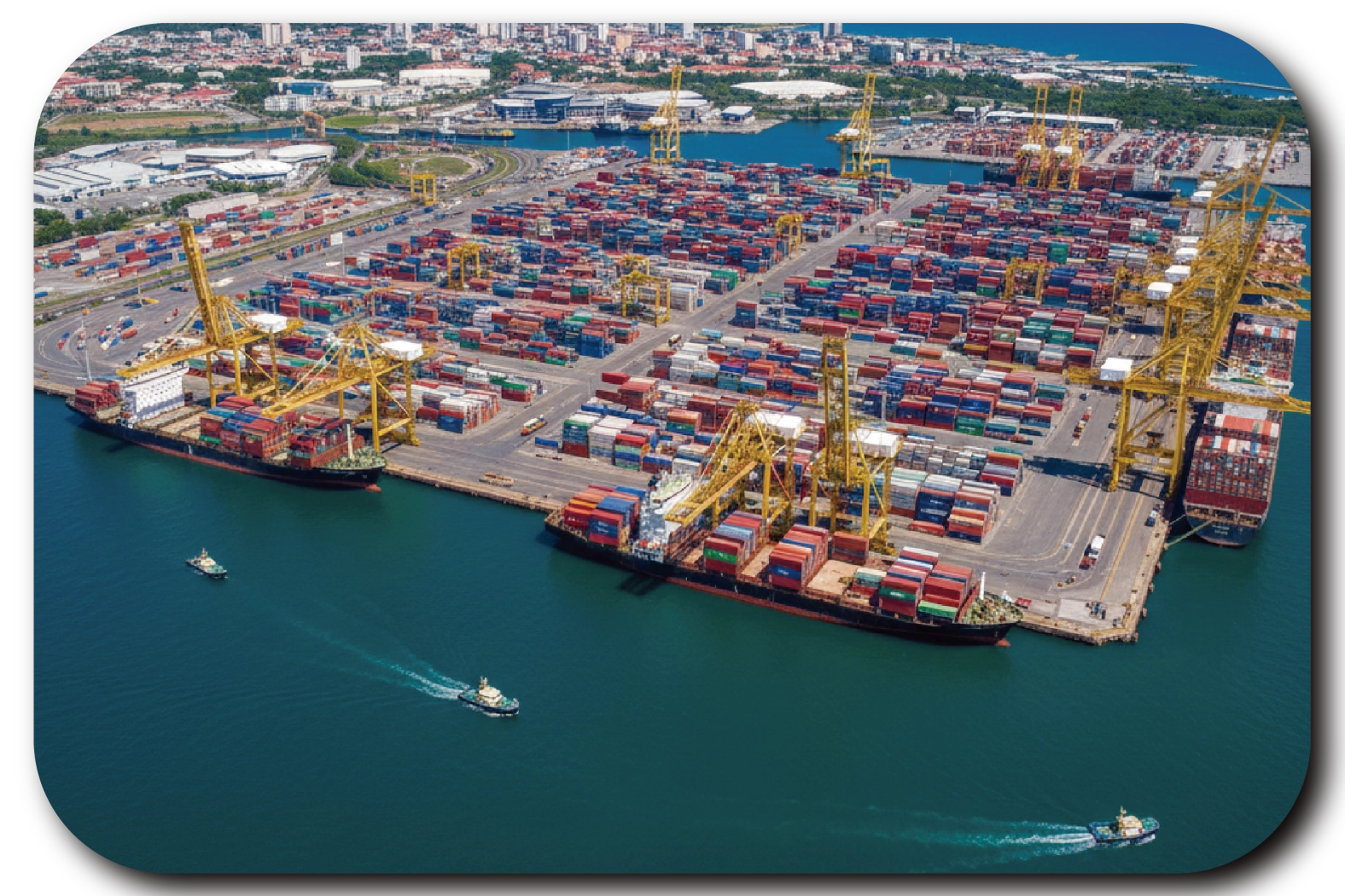
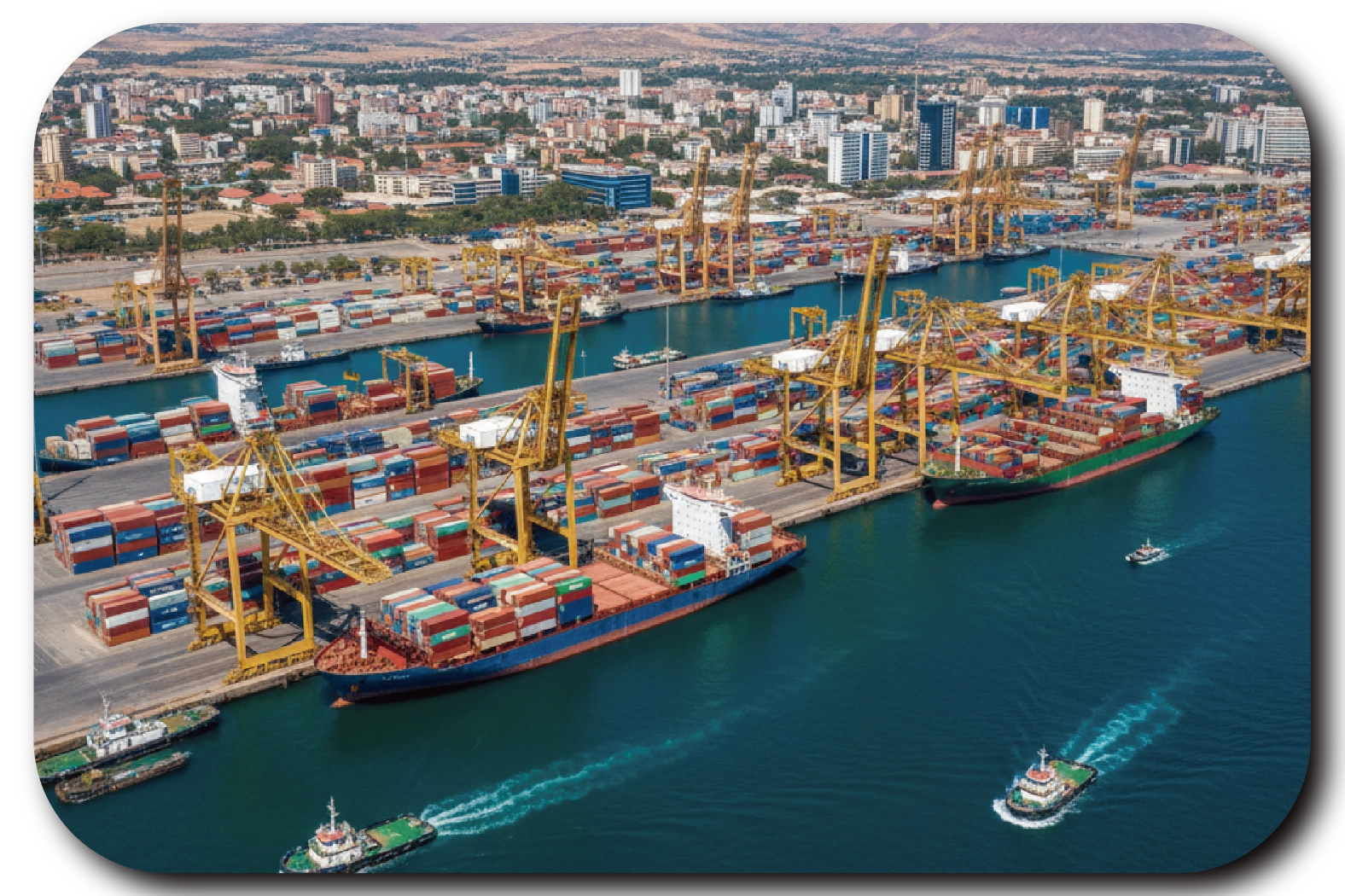
- Port Congestion Issues: Core ports, such as Mombasa and Lagos, often experience severe congestion, affecting customs clearance and cargo pick-up times.
- High Dependence on Transshipment Hubs: Due to suboptimal conditions at many destination ports, large vessels typically call at key hub ports such as Durban or Djibouti for transshipment to secondary destinations.
- External Instability Factors: Transport stability is frequently affected by local political and social uncertainties.
3. Recommended Leading Carriers
• Trade Lane Challenges: The Africa trade lane involves complex transshipment requirements and dynamic port conditions, demanding strong operational expertise.
• Strategic Carrier Selection: Partnering with carriers that possess robust local networks and solid relay capabilities ensures stable and reliable transportation.
• Integrated Solutions: Whether intercontinental or regional services, Ming Sung Logistics delivers tailor-made logistics solutions designed to meet your specific operational needs.