Asia region

China, India, Indonesia, Malaysia, Singapore, South Korea, Taiwan, Thailand, Vietnam

View More

Taiwan routes | Taiwan, China

2026 Taiwan Trade Lane Logistics Guide: Key Ports, Leading Carriers, and Shipping Insights

In the Asia–Pacific trade network, the Taiwan trade lane remains a critical regional logistics hub due to its strategic geographic location. For traders seeking efficient transport solutions, understanding Taiwan’s major ports and shipping schedules is essential for optimizing the supply chain.

1. Major Logistics Hubs in Taiwan

Taiwan’s international trade is highly concentrated around three core ports, providing comprehensive maritime services:

  • Kaohsiung Port: Taiwan’s largest container hub, offering strong transshipment capabilities.
  • Taichung Port: An essential gateway for imports and exports serving the central manufacturing cluster.
  • Keelung Port: Located near northern Taiwan’s consumer markets, providing dense short-sea and international shipping routes.

2. Core Advantages of the Taiwan Trade Lane: Efficiency and Frequency

Shippers using Taiwan routes typically benefit from two key features:

  1. Short Transit Times: Proximity to major East Asian economies ensures highly competitive transport times.
  2. High Sailing Frequency: Frequent daily sailings to major trading partners provide exceptional schedule flexibility.

3. Recommended Leading Carriers on the Taiwan Trade Lane

Comprehensive Solutions: Whether intercontinental freight or regional routes, Ming Sung Logistics integrates the most efficient and cost-effective transport solutions tailored to your supply chain needs.

Tailor-Made Services: Every shipment is unique. We provide customized logistics planning to ensure greater efficiency, reliability, and peace of mind.

Your Trusted Logistics Partner: Whatever your logistics requirements, Minsheng Logistics delivers.

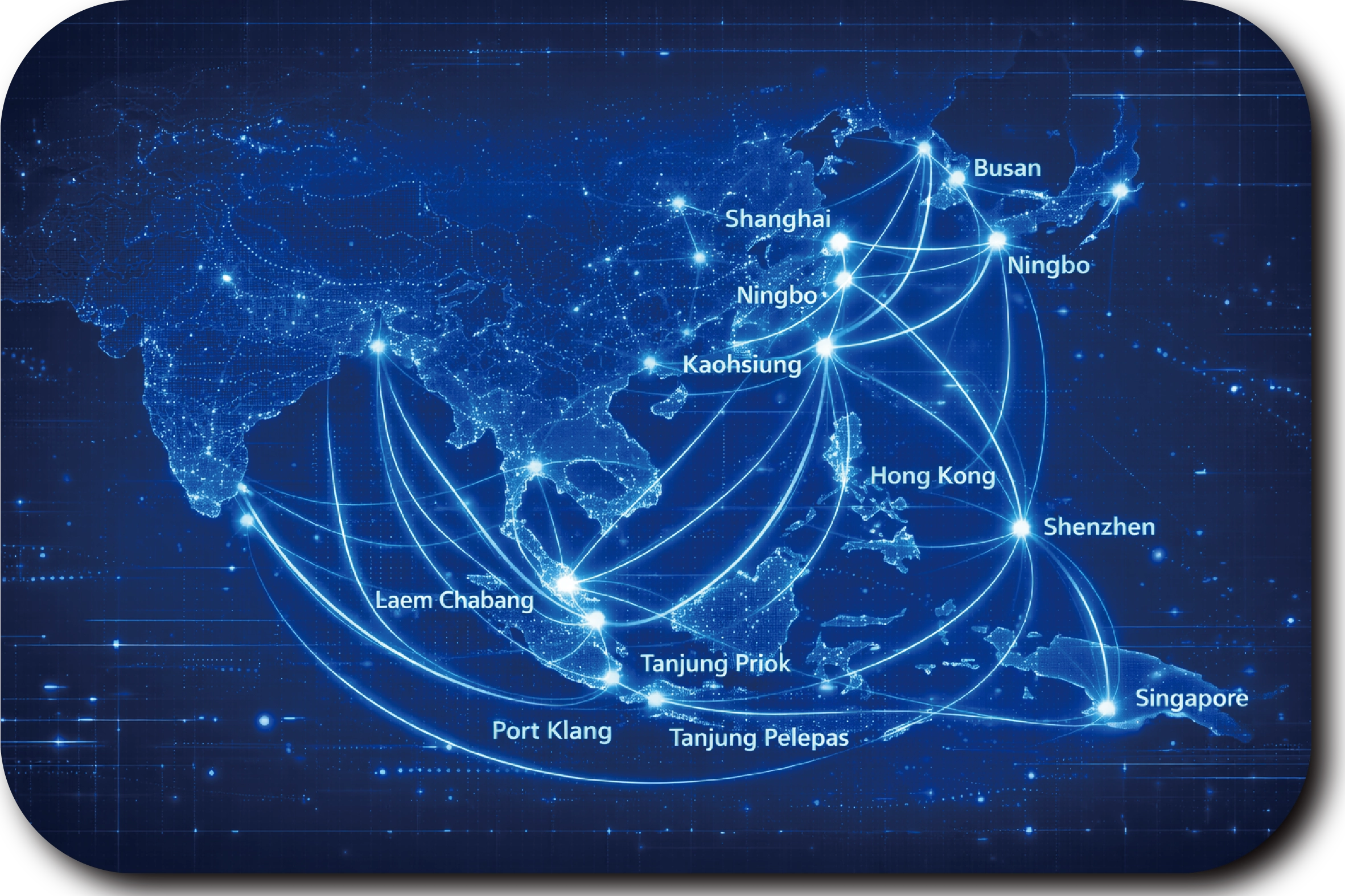
Taiwan routes

China / Taiwan
View More

2026 Japan–Korea Shipping Guide: Key Ports, Leading Carriers, and Market Insights

In Northeast Asian trade, the Japan–Korea shipping lane has long remained a popular choice in international logistics, thanks to its geographic advantages. Whether prioritizing efficiency through Japan’s base ports or reaching deeper into inland markets via Japan’s feeder ports, understanding the distinct characteristics of each routing option can effectively reduce both transportation costs and transit time.

1. Japan Trade Lane: Differences Between Main Ports and Outports

Japan’s logistics network is broadly divided into two categories, offering a high degree of flexibility in transportation options:

  • Main Ports (Base Ports): Covering major hubs such as Tokyo, Kobe, Osaka, Yokohama, Nagoya, Hakata, and Moji.
  • Key Carriers: SNL, SITC, TSL, COSCO, NS, etc.
  • Outports (Regional Ports): Including regional ports such as Tomakomai, Shimizu, Sendai, Hiroshima, Takamatsu, and Matsuyama.
  • Key Carriers: MSL, KMTC, SKR, NS, etc.

Korea Trade Lane: Key Transshipment Hub

The Korea trade lane is centered around Busan, which serves not only as South Korea’s primary import port but also as a major transshipment hub connecting Japan, Korea, and China.

  • Major Ports:  Busan, Incheon, Gwangyang, Pyeongtaek
  • Key Carriers:  SKR, SITC, KMTC, HMM, etc.

Three Core Advantages of the Japan–Korea Trade Lane

  1. Extremely Short Transit Times:  Main Japanese ports can reach Korea in just 2–3 days, while outports take approximately 3–5 days, making this route ideal for high-turnover cargo.
  2. High Sailing Frequency:  The route operates with frequent sailings and dense schedules, meeting the needs of flexible replenishment and just-in-time deliveries.
  3. Flexible Vessel Deployment:  Predominantly utilizing medium to small-sized vessels ranging from 500 to 3,000 TEU, this route adapts to diverse port conditions while leveraging Busan as a strategic transshipment hub.

💡 Expert Advice: How to Choose the Optimal Routing

When selecting a Japan–Korea trade lane, it is recommended to prioritize carriers with strong performance to ensure stable space availability. If your cargo is destined for secondary cities in Japan, choosing a transshipment option via Busan typically provides better cost efficiency and streamlined customs clearance.

Japan-Korea routes

Japan (Japan-based port) / Japan (Japan-partial port) / South Korea